Illegal Cigarettes


Illegal cigarettes
bring crime to our province.

Buying or selling illegal cigarettes is not a victimless crime. It may seem like a cheap and harmless way to save money, but that choice becomes part of a much larger problem. It hurts the community, threatens the wellbeing of our youth, and directly supports organized crime.
In recent years, organized crime groups have been flooding the market with low-cost contraband cigarettes, which are illegally sold without any compliance to Health Canada regulation or undergoing inspections. The profits are used to fund criminal activity in Newfoundland and Labrador’s communities, and divert tax dollars from important public programs and services, such as healthcare and education.
What is organized crime?
Organized crime refers to a group of three or more people who commission or carry out serious offences for material and financial gain. They may receive the benefits from these crimes directly or indirectly. These criminal organizations can range from motorcycle gangs to criminal enterprises to mafia-style groups, and their offences include the illegal weapons trade, drug trafficking, theft, human trafficking, and other crimes.
Loose-knit criminal networks exist across Canada, including in our own communities. These networks rely on the production and sale of illegal cigarettes, illegal cannabis, money laundering, extortion, and more to fund their operations.
When a person buys illegal cigarettes, they are financing organized crime.
Those who sell and distribute illegal tobacco products are a big part of organized crime (whether directly or indirectly involved). They are a link in the chain that enables serious offences – whether they realize it or not, they have made themselves a facilitator. They are helping to spread illegal tobacco and its effects throughout our communities. Illegal tobacco is no different than other illicit goods – from counterfeits to heavy narcotics, they are exploited by organized crime groups for their own gain all the same.
The societal and human cost of these illegal cigarettes is steep. Newfoundlanders and Labradorians deserve to feel safe in their communities, at school, and in their homes. Innocent people shouldn’t suffer from the trade of illegal cigarettes, and we all have a part to play in putting a stop to organized crime!
Narcotics
Substance abuse is an ongoing epidemic in our province. Drug-related deaths continue to rise each year, the scope of drugs in our schools is growing, and people are self-medicating more and more. Drugs can cause anxiety, depression, long-term psychosis, and worsen the symptoms of pre-existing mental illnesses. They increase blood pressure and chance of stroke – a serious threat to our population which is already struggling with high rates of heart disease, cancer, and respiratory conditions.
The illicit drug market is controlled within Canada by organized crime groups – opioids, fentanyl, and other hard drugs are trafficked in and out of the province as a major source of revenue for criminal networks. Drug trafficking routes are also used to transport firearms, people including children, illegal cigarettes, and other illicit goods, often in the same “loads”. Many of these organized crime groups are one in the same as those that reap the proceeds of crime from the sale of illegal tobacco.


Weapons
Organized crime groups rely on weapons for practically everything they do. Weapons allow them to instill fear in our communities, control their victims, and put further strains on law enforcement. When these groups have access to illegal arms, it fuels violence and threatens public safety – leading to an increase in armed robberies, assault and extortion; already frightening situations can become deadly.
The illegal weapons trade and arms trafficking (manufacturing and smuggling firearms and weapons without proper permits or regulations) make these crimes possible for criminal networks. The trade is also closely linked to human trafficking, drug trafficking, and other serious offences.
Human Trafficking
Human trafficking is more common in Newfoundland and Labrador than many realize, ranging from forced labour to sexual exploitation. The scope is broad, and its ramifications are detrimental. Children are used as leverage to fuel their parents’ drug habits, newcomers to the province are exploited to work unfair hours or in unsafe conditions at the threat of deportation, youth are groomed over time or lured online with fake profiles and false promises.
Organized crime groups engage in human trafficking for financial gain, control, and power. These traffickers will exploit vulnerable people through means of coercion, deception, and by force. They may withhold money or food, become violent, or isolate their victims from the world entirely, sometimes at the first sign of disobedience.

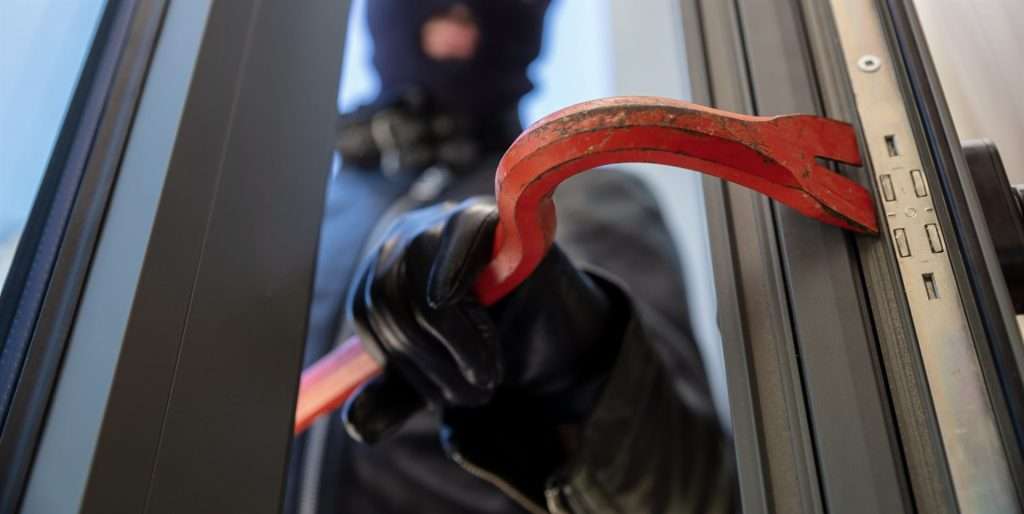
Theft
While theft is often miscategorized as a petty crime, it causes great harm. Organized crime theft ranges from motor vehicle theft, home invasions, property theft (such as from construction sites), identity theft, phishing and internet scams, extortion, and more. Theft can also be drug-fueled, where addicts are pressured by their addiction or by organized crime groups; impressionable youth can also be exploited.
As the threat of theft grows in Newfoundland and Labrador, it erodes everyone’s sense of security, as well as trust between neighbours, and it can create devastating financial losses for the people and businesses affected – robbing them of their livelihoods and peace of mind, leading to stress, anxiety, depression, and more.
Watch Our Videos
Know the Difference
If your neighbour or co-worker is smoking illegal tobacco, you might not even notice – unless you recognize the signs!
Contraband cigarettes can be packaged in bright colours to entice youth and lack a federal stamp. They are sold at a fraction of the cost of legal cigarettes, without the need for ID, and without quality control or health inspections for public safety.
Legal
- Unflavoured
- Drab, brown-coloured packaging
- Federal excise stamp
- Orange tear tape seal
- Health warnings that cover 75% of display area

Illegal
- Flavoured
- Flip-top packaging
- Plastic bag or soft packaging
- Package colour isn’t brown
- No health warnings or health warnings cover less than 75% of display area
- No toxicity information
- No federal excise stamp
- No orange tear tape seal
- Brand logos or design elements

What Can I Do to Help?
If you see any suspicious activity that might be related to the sale or purchase of illegal tobacco,
call Crime Stoppers Newfoundland and Labrador at
Your call is completely anonymous!
Which means the call will never be linked back to you.
Please remember to withhold personal details about yourself (including where you live, where you are calling from, how you know the person(s) you may be reporting on, etc.). Otherwise, the call is no longer anonymous, and we cannot accept your tip.
If you’re unsure about what details to provide and what to avoid, check out our Tips for Submitting Tips.
https://nlcrimestoppers.com/tips/
You can help keep our communities safe. All it takes is one call.


Download our P3 Tips app!